What Can You Make With a Thermomix?
Sauces to sorbet, doughs to baby food, grouped by what comes out of the bowl
What can you make with a Thermomix?
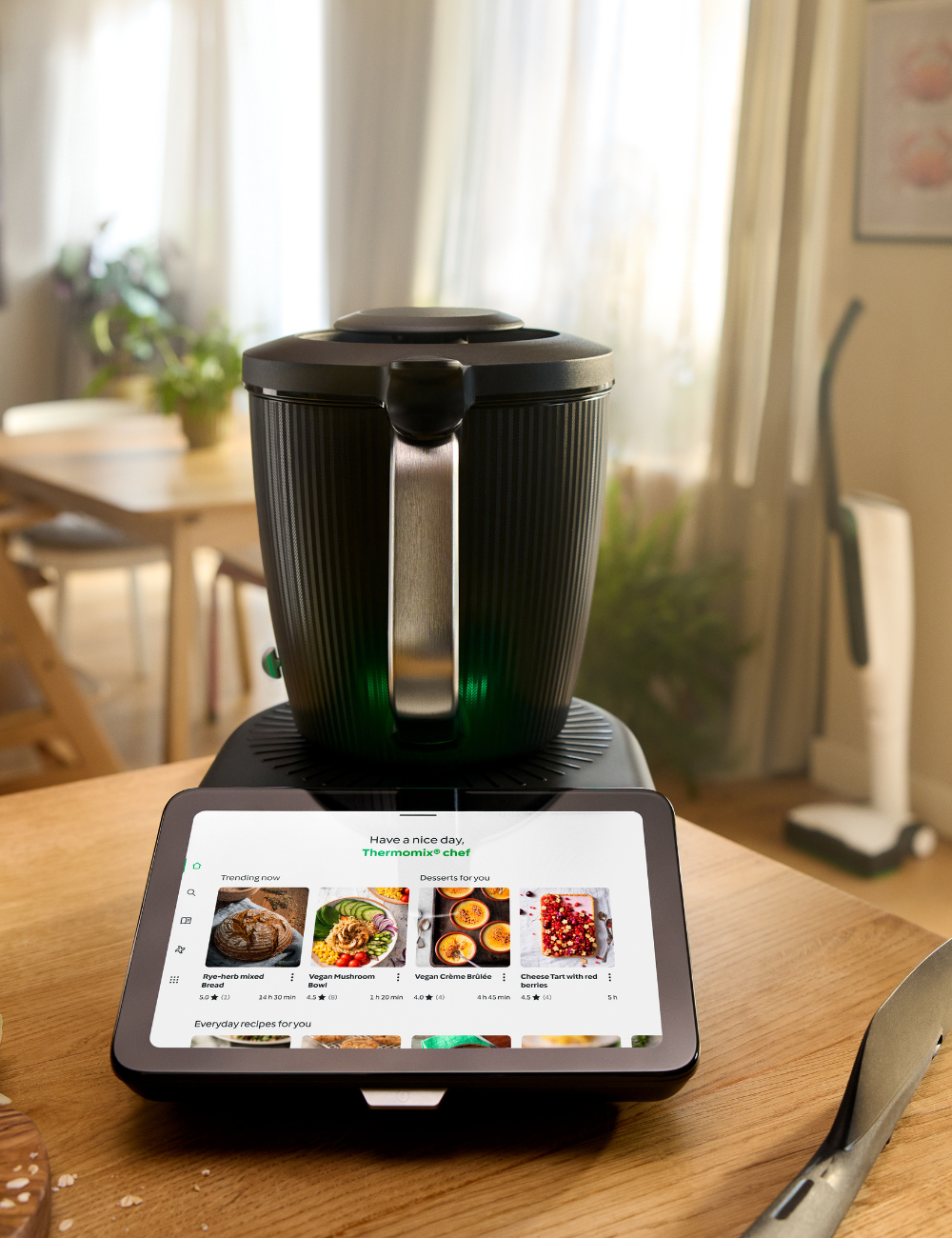
A Thermomix makes sauces, soups, doughs and bread, nut butters, sorbet and ice cream, risotto and grains, baby food, ground spices and flours, Varoma-steamed mains and gentle sous-vide. It weighs, blends, stirs and heats in one bowl under Guided Cooking. Because the lid is vented, it does not pressure-cook, deep-fry, air-fry or crisp-roast.
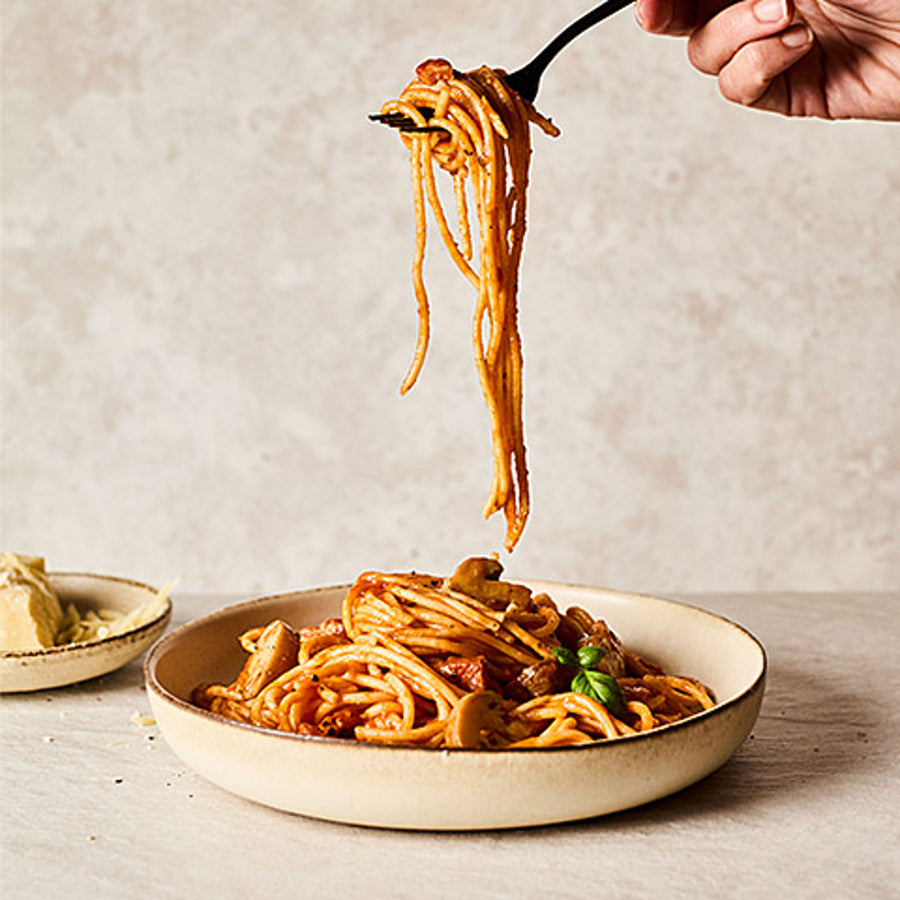
People ask me this two ways: "what can you make with a Thermomix?" and "what can a Thermomix actually do?" Both have the same honest answer. One bowl weighs, chops, blends, kneads, stirs, steams and cooks at controlled temperatures, so the easiest way to picture it is by what comes out: a sauce, a soup, a loaf, a jar of nut butter, a scoop of sorbet. Below I have grouped it by output category, with the everyday appliance each one replaces. For the full meal-by-meal version, see my Thermomix recipes in Canada guide.
Sauces and Emulsions
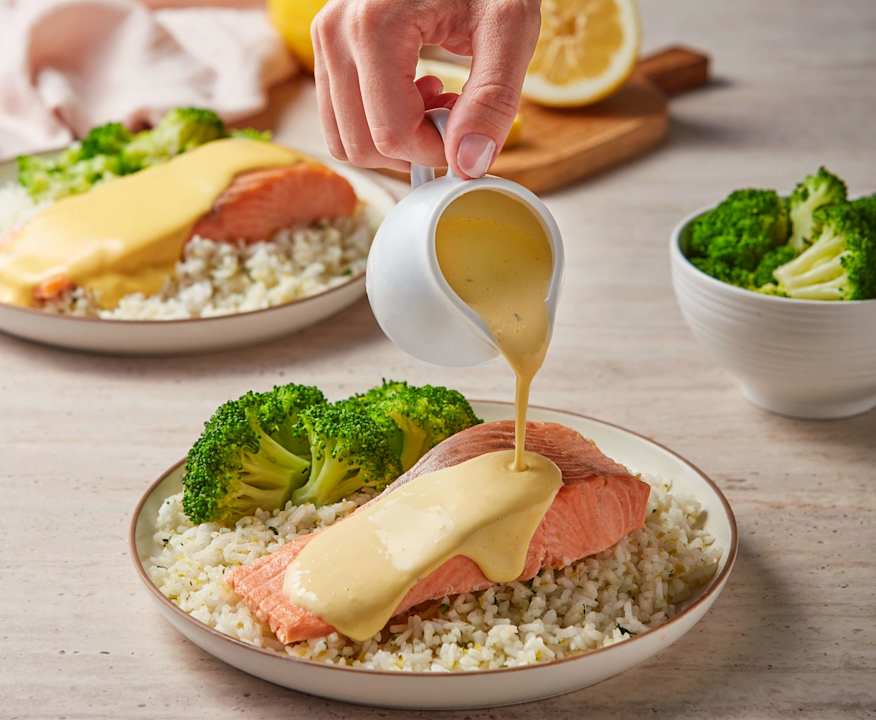
Sauces are where the precision shows first. A Thermomix holds an exact temperature and blends at the same time, so an emulsion that usually splits the moment your attention wanders comes together calmly. Hollandaise, bechamel, mayonnaise, pesto, hummus and stock paste all run as numbered steps. You add the ingredients when the screen asks, and the machine does the whisking and the heat. People make hollandaise far more often once they own one, simply because the fear is gone.
Soups, Risotto and Grains
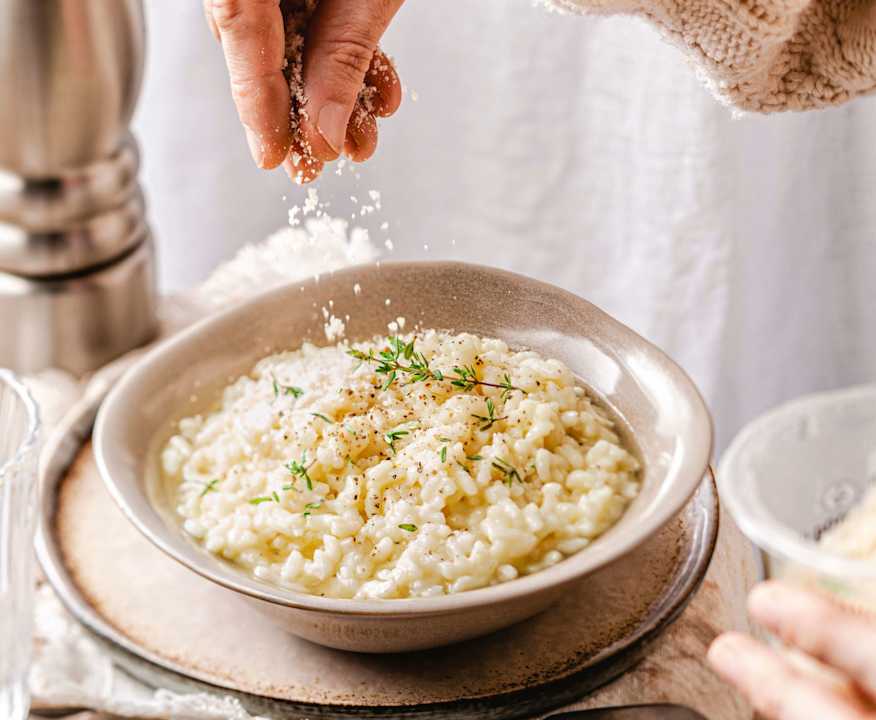
This is the category most Canadian families lean on. Raw vegetables go in, and a few steps later you have a hot, blended soup in the same bowl, no transfer to a blender and back. Risotto is the dish that converts skeptics: on the stove it means twenty minutes of constant stirring, while the Thermomix stirs at the right speed and holds the heat steady so the grains stay distinct in a creamy coat. The same logic covers rice, pearl barley, polenta and other grains that normally need watching.
Doughs and Bread
The bowl kneads dough to the exact consistency a recipe calls for, which takes the guesswork out of baking. Pizza dough, brioche, focaccia, bread loaves and pastry all start the same way: ingredients in, knead function on, dough out. For anyone who has been intimidated by yeast, this is the gentlest introduction I know. The machine cannot bake the loaf, your oven still does that, but it removes the messy, uncertain part of the process.
Nut Butters and Spreads
A single batch of nuts becomes smooth peanut, almond or cashew butter in a couple of minutes, with nothing added that you did not put in yourself. The same blade work makes chocolate hazelnut spread, seed butters and ground date paste. This is a quiet favourite of mine, because it replaces a pantry of jars with one fresh batch.
Sorbet and Ice Cream
Frozen fruit plus a quick high-speed blitz makes sorbet in about thirty seconds, no ice cream maker required. With cream and sugar the same approach gives soft ice cream and granitas. The Thermomix also mills its own sugar, melts and tempers chocolate, and whips cream and meringue, so most of the dessert table runs through one bowl.
Baby Food
For new parents, the Thermomix steams and purees fruit and vegetables in one go, so you control exactly what goes in and how smooth it is. You can steam in the Varoma, then blend the same ingredients in the bowl to the texture a particular stage needs, from first thin purees to chunkier toddler portions. Batch it, portion it, and freeze it.
Milling and Grinding
With the right speed the bowl grinds coffee beans, mills whole grains into flour, blitzes sugar into icing sugar, and grinds spices fresh. This is the part most people forget a Thermomix does: it quietly replaces a spice grinder, a coffee grinder and a grain mill, so a recipe that calls for fresh-ground anything is one step instead of a separate gadget.
Varoma Steaming
The Varoma steamer sits on top of the bowl, which means you can cook a full meal in layers. A protein steams on the top tray, vegetables cook below, and a sauce or grain cooks in the bowl underneath, all on one timer. It is the closest the machine comes to a complete hands-off dinner. My dedicated Varoma guide for Canada walks through the trays and timing in detail.
Sous-Vide and Gentle Cooking
Because the temperature is set to the degree, the Thermomix handles low-temperature cooking the way a sous-vide bath does, gently and evenly, for things like custards, delicate fish and tempering. It is not a sealed water bath, but for everyday gentle cooking it covers the same ground without another appliance on the counter.
One Bowl, Many Appliances
Here is the quick reference I give people who want to see the categories and the tool each one replaces side by side:
| Category | Example dishes | Tool it replaces |
|---|---|---|
| Sauces and emulsions | Hollandaise, bechamel, mayonnaise, pesto, hummus | Stovetop whisk and immersion blender |
| Soups, risotto and grains | Vegetable soup, risotto, polenta, rice | Blender and rice cooker |
| Doughs and bread | Pizza dough, brioche, focaccia, pastry | Stand mixer and bread maker |
| Nut butters and spreads | Peanut butter, almond butter, chocolate hazelnut | High-power food processor |
| Sorbet and ice cream | Fruit sorbet, soft ice cream, granita | Ice cream maker |
| Baby food | Steamed purees, chunkier toddler portions | Steamer plus blender |
| Milling and grinding | Flour, icing sugar, ground spices, coffee | Spice, coffee and grain grinders |
| Varoma steaming | Salmon and vegetables with a sauce below | Multi-tier steamer |
| Sous-vide and gentle cooking | Custards, delicate fish, tempering | Sous-vide circulator |
For the honest list of what falls outside the bowl, see what a Thermomix can and cannot do. The short version: it is brilliant at anything stirred, blended, steamed or gently cooked, and it leans on your pan or oven for the final crisp.
Frequently Asked Questions
What can you do with a Thermomix?
You can make sauces, soups, risotto and grains, doughs and bread, nut butters, sorbet and ice cream, baby food, fresh-milled flours and spices, Varoma-steamed mains and gentle sous-vide style cooking. The bowl weighs, chops, blends, kneads, stirs and heats at controlled temperatures, and Guided Cooking on Cookidoo runs each recipe step by step, so one machine covers around a dozen kitchen tools.
What can a Thermomix actually do?
In practice it replaces the appliances you reach for most: blender, food processor, stand mixer, rice cooker, steamer, scale and a sous-vide setup, all in one bowl. It is genuinely good at anything that needs stirring, blending, steaming or gentle, precise heat. If you want the longer explanation of how the machine works, my what is a Thermomix page covers it.
What are the most popular Thermomix recipes?
The dishes people make first and keep making are risotto, smooth vegetable soups, hollandaise and other emulsion sauces, fresh nut butter, pizza and bread dough, and frozen-fruit sorbet. They are popular because each one removes a task that used to be fussy or scary on the stove. There are over 100,000 tested recipes on Cookidoo to grow from there.
What can the Thermomix not do?
It cannot pressure-cook, deep-fry, air-fry or crisp-roast. The lid is vented by design, so it never builds pressure or holds dry, high, circulating heat. You still use a pan or your oven for browning, searing and getting a crisp finish. Everything else, the stirring, blending, steaming and gentle cooking, happens in the bowl.
Can a Thermomix make scrambled eggs?
Yes. It gently heats and stirs the eggs at a low temperature, so they come out soft and creamy rather than rubbery. It is a good example of the machine's strength: steady, controlled heat with constant gentle movement, the same combination that makes its custards and sauces reliable.
If the categories have you convinced, the practical questions are next: the Thermomix price in Canada, where the TM7 is $2,299 CAD through consultants and the previous-generation TM6 was $1,499, and whether a Thermomix is worth it for how you actually cook.