What Does a Thermomix Consultant Actually Do? (Honest Day-in-Life)
A real Canadian consultant's typical week: events, follow-ups, social posting, and admin.
See If This Fits My LifeWhat does a Thermomix consultant actually do day-to-day?
A typical week includes 1-2 Cookidoo events (live or virtual), 3-5 hours of customer follow-ups and onboarding for recent buyers, 2-3 hours of social media or community posts, ongoing Cookidoo training and recipe testing, and 1-2 hours of admin. Most active Canadian consultants spend 10-15 hours per week.
Why I wrote this page
Search for "thermomix consultant reddit" and you will find threads ranging from enthusiastic to skeptical. Some paint the role as non-stop parties, others describe a grind with no payoff. Neither picture matches what my actual weeks look like as a Vancouver consultant. So this page is my honest answer: what I do across a typical working week, task by task, hour by hour, with the parts that are satisfying and the parts that are less glamorous.
If you are researching whether to become a Thermomix consultant in Canada, a day-in-the-life account from someone in the field is more useful than a corporate recruiting page, and more grounded than an angry Reddit thread. Both extremes exist. This is the middle.
Monday: admin and follow-up
Monday mornings are intentionally light on commitments. I check messages that came in over the weekend, mostly from people who attended a Cookidoo event on Saturday or Sunday and have questions about pricing, the Cookidoo subscription, or the ordering process. Responding to these quickly while the event is still fresh in their minds matters more than any other single follow-up activity.
I also review my order dashboard to confirm anything placed over the weekend has processed correctly, and I log my time and activities for the week ahead. Admin for a week rarely exceeds an hour and a half on its own. It is not glamorous, but it keeps the business running cleanly.
The Monday follow-up routine feeds into the earnings picture: consistent follow-up is one of the most reliable predictors of conversion. If you want to understand the income side in detail, the Thermomix consultant income page for Canada covers commission structures and earnings ranges honestly.
Tuesday: customer Cookidoo onboarding
Tuesday is typically my highest-value day. This is when I schedule one-on-one Cookidoo setup sessions with recent TM7 buyers.
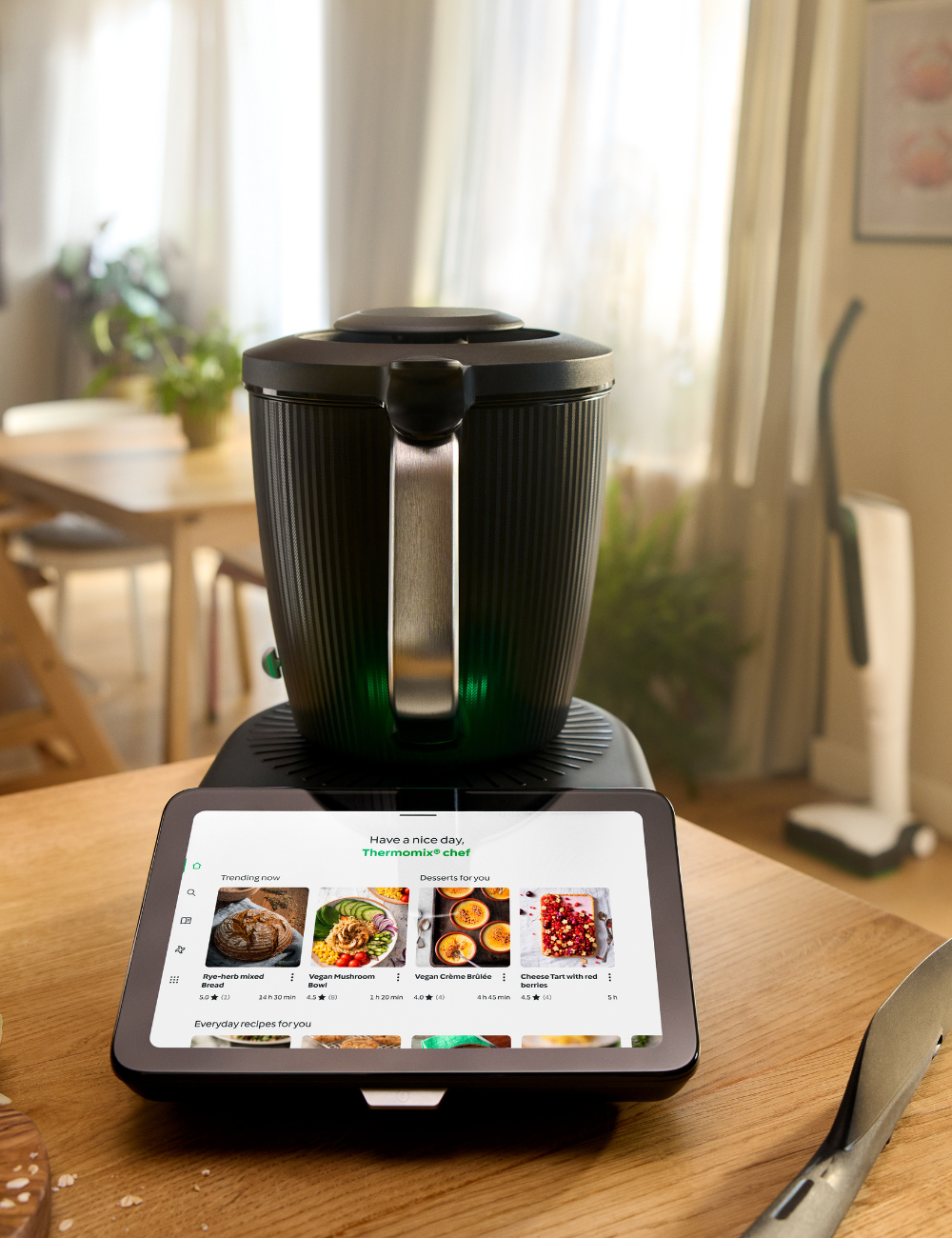
A new TM7 owner has just received a $2,000+ appliance in the mail. They are excited and slightly overwhelmed. The onboarding session is 45 minutes to an hour, usually over video call. We walk through creating their Cookidoo account, navigating the recipe library, running their first guided recipe from scratch, and using the Varoma for their first steam cook. By the end of the call, they have cooked something successfully and understand how the platform works.
This is the activity I find most satisfying. The person came in as a buyer. By the end of the call, they have had a real success in their kitchen, and they know you care about the outcome, not just the transaction. Referrals come disproportionately from people whose onboarding went well.
The Thermomix consultant training program covers onboarding techniques as part of the standard Vorwerk curriculum, so new consultants are not inventing this from scratch.
Wednesday: Cookidoo event prep
Cookidoo events are the core customer-acquisition activity for most consultants. Wednesday is typically prep day for a Thursday or weekend event.
Prep involves selecting 2-3 recipes that showcase different TM7 capabilities (a soup or sauce, a main that uses the Varoma, and something sweet or baked), sourcing ingredients, doing a test run of at least one recipe to confirm timing, and sending a confirmation message to confirmed guests with parking or video-call details.
Kitchen prep for a 4-6 person event takes about 90 minutes. Digital setup for a virtual session (testing screen share, confirming the recipe link, preparing a simple slide showing the event flow) takes about 30-45 minutes. Total prep time: roughly 2-3 hours.
This is also the day I send the week's social post, usually a photo from a recent recipe test or a quick tip about a Cookidoo feature. Nothing elaborate. Consistency matters more than production value.
Thursday: live Cookidoo event
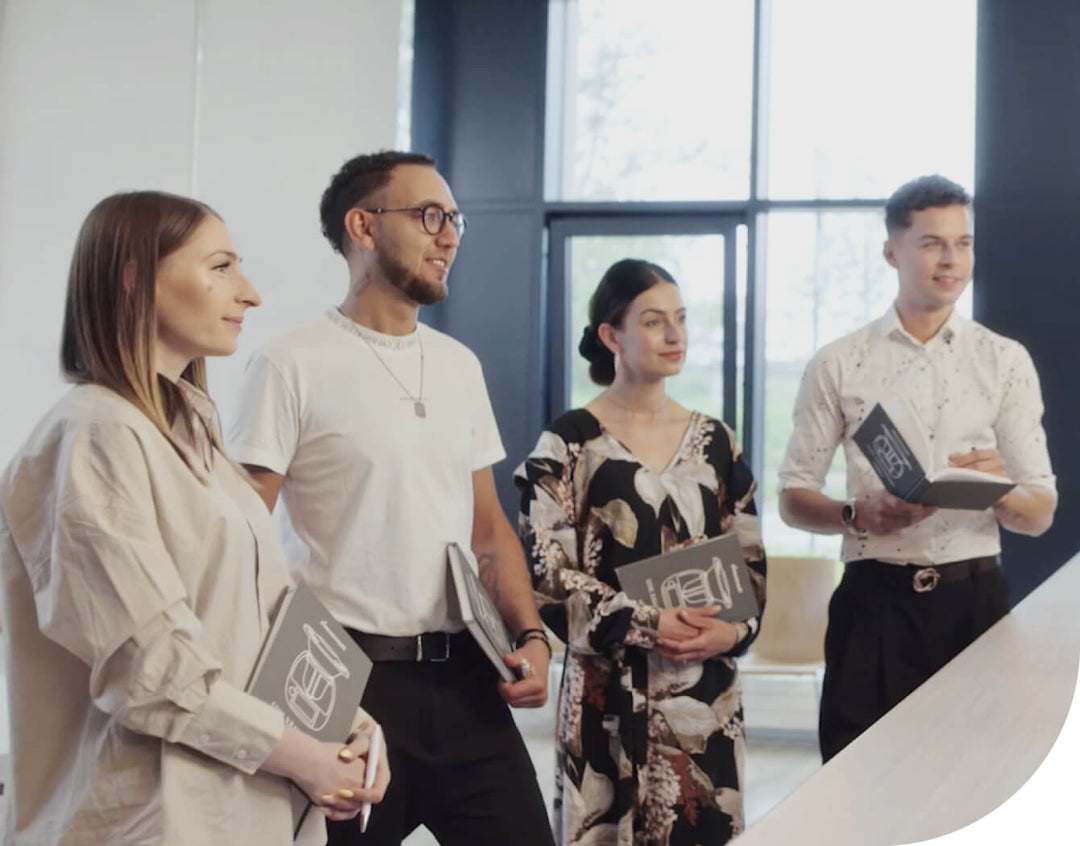
The event itself. In Canada, Cookidoo events typically happen in one of three formats:
Kitchen-table sessions: 4-6 guests in a host's home. The host has invited friends or family. I bring the TM7, the ingredients, and the recipes. We cook together at the kitchen counter. Guests watch, participate in steps, and eat the result. The atmosphere is social. These sessions run 60-90 minutes.
Virtual sessions: Guests join over video call from their own kitchens, with or without the ingredients in hand. I cook on screen while guests follow along or just watch. Virtual sessions are useful for reaching guests across BC and into other provinces.
Community venue events: Occasionally a community space, a library meeting room, or a workplace kitchen. These require more logistics but can reach a larger group.
What does NOT happen at these events: no high-pressure sales presentations, no countdown timers, no "you need to decide tonight." Guests experience the machine cooking something delicious. Those who are interested ask questions. Those who are not interested still ate well. Orders placed are placed because the product made a real impression, not because someone was pushed.
After the event, I note who expressed interest and what questions they asked. This feeds into Friday's follow-up.
Friday: follow-up and admin
Post-event follow-up is the difference between a busy consultant and a profitable one. I send a personal message to each guest who attended, thank them for coming, answer any specific question they raised during the event, and include a link to my consultant page if they want to place an order or ask more questions.
Order processing itself is handled through Vorwerk's platform. Once an order is placed through my consultant link, my role is to confirm receipt and send an onboarding appointment time to the new buyer. Commission tracking is visible in the Vorwerk consultant dashboard and updates as orders process.
Friday is also when I review my pipeline: how many people are at different stages (attended an event, expressed interest, placed an order, in onboarding). This review takes about 30 minutes and helps me plan next week's event capacity.
For a realistic picture of what the income looks like across these stages, see the Thermomix consultant income page.
Weekend: social and community
I spend 2-3 hours on weekends on social posting and community presence. This is not mandatory or structured: a photo of something I cooked with the TM7, a short reel of a Varoma setup, a reply to a comment on a previous post. The goal is low-effort, consistent content that keeps the community engaged between events.
Occasionally I attend a community food event or a farmers market to stay connected to the food community in Vancouver. This is not a formal business activity, just a natural part of being someone who is into cooking.
The numbers behind the week
Active consultants in Canada typically run several Cookidoo events per month and maintain a pipeline of customers across different stages in a given quarter. Most active consultants spend 10-15 hours per week on the business when they are actively building. Some run it at 5-8 hours per week in maintenance mode between pushes.
The time breakdown, roughly: events and prep account for about half the weekly hours, customer onboarding and follow-up account for about a third, and admin and social account for the rest.
What this is not
A few things worth naming directly, because the internet's image of direct-sales consultants is often outdated:
There is no door-to-door cold calling. I do not show up at strangers' doors with a machine and a pitch. All guests at Cookidoo events are invited by someone they know, either by me to my own guests or by a host I am working with.
There are no scripted MLM pitches to memorize. The Vorwerk training gives you product knowledge, event structure, and follow-up frameworks. The language is your own.
There is no hard-sell pressure at events. If a guest is not interested, that is a completely normal outcome. Not every event ends with orders, and that is fine. Forcing outcomes is both ineffective and unpleasant for everyone involved.
The role is closer to host and advisor than salesperson. The machine does most of the convincing by cooking something the guest enjoyed eating.
What surprised me about this role
Two things surprised me when I started.
First: how much of the work is relationship maintenance rather than new-customer acquisition. My first assumption was that the role was mostly finding new people. In practice, a significant share of orders come from referrals, from existing customers who recommend me to a friend, from family members of people who attended an event, from guests who were not ready to buy at the event but came back six months later. Building that referral base takes time, but it compounds. My first month was almost entirely outbound. Several months in, inbound referrals had become a meaningful part of the pipeline.
Second: how much I learned about the product by teaching it. Onboarding new buyers, answering their Cookidoo questions, helping someone troubleshoot a recipe that did not come out right: all of this deepened my own knowledge of the TM7 in ways that pure personal use never would have. I came in as a home cook who liked the machine. I stayed because I enjoy helping other people get good at using it.
If that kind of week sounds like something that fits your life and schedule, the next step is learning how to become a Thermomix consultant in Canada and checking the consultant requirements page to see if you qualify.